Mobile App Development : Creating Applications for Modern Devices
Mobile app development is the process of designing, building, testing, and maintaining applications for smartphones and tablets. Mobile apps have become an important part of daily life, helping people communicate, shop, learn, work, and access information from virtually anywhere.
Businesses and organizations use mobile applications to improve customer engagement, provide convenient services, and deliver personalized experiences. As mobile technology continues to evolve, app development remains a valuable field within the software industry.
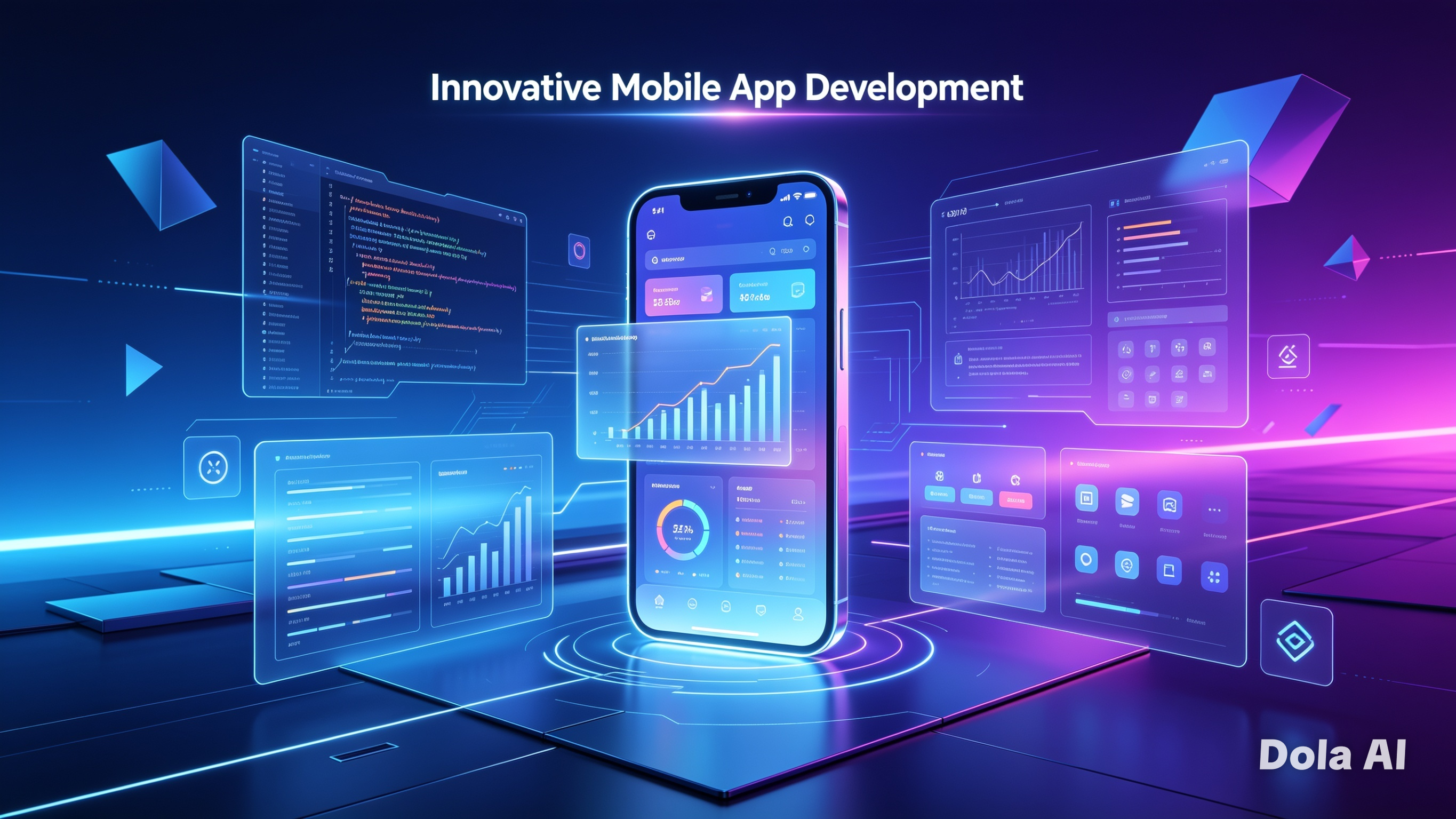
What is Mobile App Development?
Mobile app development involves creating software specifically designed to run on mobile devices. Developers combine programming, user interface design, and testing practices to ensure applications perform reliably across different devices and operating systems.
Types of Mobile Applications
Mobile applications can be developed using different approaches depending on project requirements, performance needs, and target users.
- Native applications for specific operating systems
- Cross-platform applications for multiple devices
- Progressive Web Apps (PWAs)
- Enterprise mobile solutions
- Educational and productivity applications
Key Features of Successful Mobile Apps
A well-developed mobile application focuses on usability, performance, and reliability. Users expect applications to load quickly, function smoothly, and provide an intuitive experience.
- User-friendly navigation
- Fast loading times
- Responsive design
- Secure data handling
- Offline functionality when appropriate
- Regular updates and improvements
Mobile App Development Process
Developing a mobile application typically follows a structured process to ensure quality and functionality throughout the project lifecycle.
- Planning and requirements analysis
- User experience and interface design
- Application development
- Testing and quality assurance
- Deployment and distribution
- Maintenance and feature updates
Popular Technologies Used in Mobile Development
Developers use various tools and technologies to build modern mobile applications. The choice of technology depends on project goals, target platforms, and performance requirements.
- C# and .NET MAUI
- Java and Kotlin
- Swift for iOS development
- Flutter
- React Native
- Cloud-based backend services
Benefits of Mobile Applications
Mobile applications offer advantages for both users and organizations. They provide convenient access to services and information while helping businesses strengthen customer relationships and improve efficiency.
- Improved accessibility
- Enhanced user engagement
- Faster communication
- Personalized user experiences
- Increased operational efficiency
- Support for digital transformation
Importance of User Experience
User experience (UX) plays a significant role in the success of a mobile application. Clear navigation, intuitive controls, and consistent design help users accomplish tasks efficiently and encourage continued usage.
Mobile App Security
Security is an essential aspect of mobile app development. Developers implement measures to protect user data, prevent unauthorized access, and maintain application reliability.
- Secure authentication systems
- Data encryption
- Regular security updates
- Safe data storage practices
- Privacy-focused development
Future Trends in Mobile App Development
Emerging technologies continue to influence mobile app development. Artificial intelligence, cloud computing, augmented reality, and automation are helping create more advanced and personalized mobile experiences.
As smartphones remain a central part of everyday life, mobile app development continues to play an important role in delivering digital solutions for education, business, entertainment, healthcare, and many other industries.