UI/UX Design: Creating Better Digital Experiences
User Interface (UI) and User Experience (UX) Design are essential parts of modern websites, mobile applications, and digital products. While UI Design focuses on the visual appearance of a product, UX Design focuses on how users interact with it and how easily they can achieve their goals.
A successful digital product combines both UI and UX principles to provide a seamless, attractive, and efficient experience. Businesses invest in UI/UX Design to improve customer satisfaction, increase user engagement, and create products that are easy to understand and use.
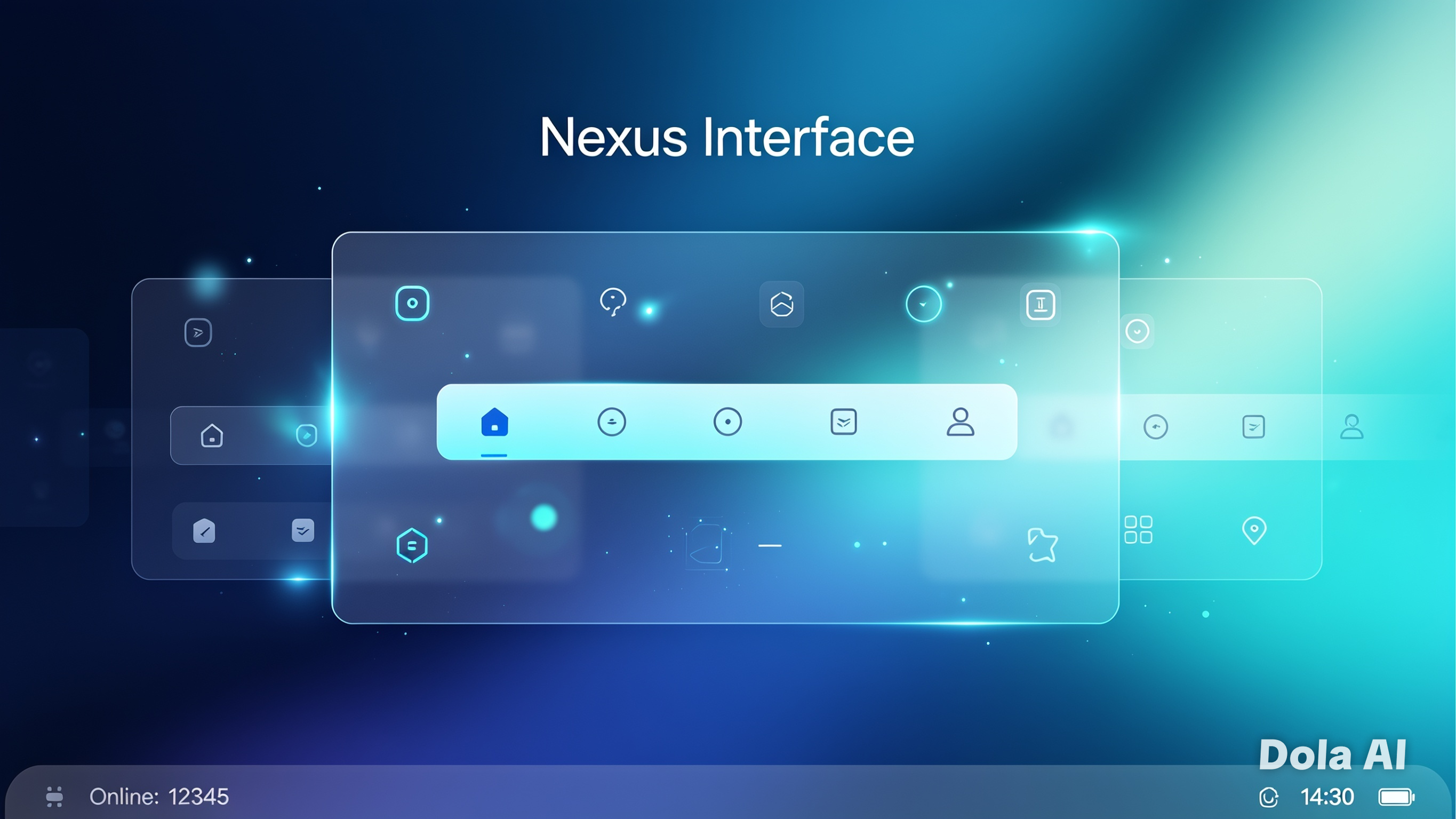
What is UI Design?
User Interface Design is concerned with the visual elements that users interact with, including buttons, navigation menus, typography, colors, icons, forms, and layouts. A well-designed interface helps users navigate a website or application with confidence and ease.
- Responsive layouts for different screen sizes
- Consistent typography and color schemes
- Accessible navigation and controls
- Clear visual hierarchy
- Modern and professional design aesthetics
What is UX Design?
User Experience Design focuses on understanding user needs, behaviors, and expectations. UX Designers conduct research, create wireframes, test prototypes, and optimize workflows to improve usability and satisfaction.
- User research and analysis
- Information architecture planning
- Wireframing and prototyping
- Usability testing
- Continuous experience improvement
Benefits of Good UI/UX Design
Effective UI/UX Design provides benefits for both users and organizations. Users can complete tasks more efficiently, while businesses can improve customer retention and engagement.
- Improved user satisfaction
- Better accessibility and usability
- Higher conversion rates
- Reduced user frustration
- Stronger brand credibility
- Enhanced mobile and desktop experiences
UI/UX Design Process
Most UI/UX projects follow a structured process to ensure the final product meets user expectations and business objectives.
- Research and requirement gathering
- User persona development
- Wireframe creation
- Interactive prototype design
- User testing and feedback collection
- Visual interface implementation
- Performance evaluation and optimization
Tools Commonly Used in UI/UX Design
Designers use specialized tools to create wireframes, prototypes, design systems, and collaborative workflows. These tools help teams streamline the design process and maintain consistency across projects.
- Figma
- Adobe XD
- Sketch
- Photoshop
- Illustrator
- InVision
The Future of UI/UX Design
As technology continues to evolve, UI/UX Design remains a critical discipline in creating successful digital products. Emerging trends such as artificial intelligence, voice interfaces, personalized user experiences, and accessibility-focused design are shaping the future of digital interaction.
Whether designing a website, mobile application, software platform, or online service, UI/UX Design plays a vital role in delivering intuitive, efficient, and engaging experiences for users around the world.